
Obesity Brochure
Obesity Brochure - Introducing a comprehensive brochure about obesity and solutions for weight management. This brochure looks at the most common obesity treatment options available today, including: The world health organisation defines obesity as ‘abnormal or excessive fat accumulation that presents a risk to health’. Each of the materials can be. The prevalence of obesity in the united states has increased from 15% in 1980 to 36% in 2010.2 the prevalence of extreme obesity (bmi ≥ 40 kg/m2) is 4.4% in men and 8.2% in women. Helps patients learn more about the potential causes of obesity and how obesity might affect health. Obesity means having excess body fat. Learn more about the different roots of obesity on the website. Tools for diagnosisphysician informationtreatment guidelineseducating patients Obesity is usually determined by using the body mass index, or. Being overweight or obese is a leading risk factor for type 2 diabetes. The term obesity is used when someone has extra body fat that affects their health. Introducing a comprehensive brochure about obesity and solutions for weight management. This brochure can help patients on when and how to talk to a doctor about their weight. The world health organisation defines obesity as ‘abnormal or excessive fat accumulation that presents a risk to health’. Each of the materials can be. Learn more about the different roots of obesity on the website. Understanding obesity what to consider for weight management? The prevalence of obesity in the united states has increased from 15% in 1980 to 36% in 2010.2 the prevalence of extreme obesity (bmi ≥ 40 kg/m2) is 4.4% in men and 8.2% in women. Obesity is defined by the world health organisation as ‘abnormal or excessive fat accumulation that presents a risk to health’. Being overweight or obese is a leading risk factor for type 2 diabetes. Obesity means having excess body fat. Introducing a comprehensive brochure about obesity and solutions for weight management. Insulin, which is produced in the pancreas, is required to. Living with obesity puts people at a higher risk from other diseases including heart disease, diabetes and some cancers. Obesity is defined by body mass index, or bmi, which is. Understanding obesity what to consider for weight management? It is most commonly measured by bmi, though there are other. The body gets its energy from a type of sugar called glucose. Obesity means having excess body fat. Learn more about the different roots of obesity on the website. Understanding obesity what to consider for weight management? It can be measured in a number of ways, but the most common is. The term obesity is used when someone has extra body fat that affects their health. Obesity means having excess body fat. This brochure has been developed by the collective for action on obesity using a range of sources and experts that. Tools for diagnosisphysician informationtreatment guidelineseducating patients Obesity is defined by body mass index, or bmi, which is. Obesity is defined by the world health organisation as ‘abnormal or excessive fat accumulation that presents a risk to health’. The body gets. Insulin, which is produced in the pancreas, is required to. Each of the materials can be. The prevalence of obesity in the united states has increased from 15% in 1980 to 36% in 2010.2 the prevalence of extreme obesity (bmi ≥ 40 kg/m2) is 4.4% in men and 8.2% in women. This brochure can help patients on when and how. It can be measured in a number of ways, but the most common is. This brochure has been developed by the collective for action on obesity using a range of sources and experts that. Obesity is defined by the world health organisation as ‘abnormal or excessive fat accumulation that presents a risk to health’. The world health organisation defines obesity. The world health organisation defines obesity as ‘abnormal or excessive fat accumulation that presents a risk to health’. Tools for diagnosisphysician informationtreatment guidelineseducating patients Learn more about the different roots of obesity on the website. The obesity action coalition offers a wide variety of brochures, guides, and fact sheets on obesity and related topics. This brochure has been developed by. Obesity is defined by the world health organisation as ‘abnormal or excessive fat accumulation that presents a risk to health’. The world health organisation defines obesity as ‘abnormal or excessive fat accumulation that presents a risk to health’. Obesity is defined by body mass index, or bmi, which is. It is most commonly measured by bmi, though there are other.. Introducing a comprehensive brochure about obesity and solutions for weight management. The obesity action coalition offers a wide variety of brochures, guides, and fact sheets on obesity and related topics. This brochure looks at the most common obesity treatment options available today, including: It is most commonly measured by bmi, though there are other. The term obesity is used when. Learn more about the different roots of obesity on the website. Tools for diagnosisphysician informationtreatment guidelineseducating patients It is most commonly measured by bmi, though there are other. It is most commonly measured by bmi, though there are other. Each of the materials can be. Understanding obesity what to consider for weight management? It is most commonly measured by bmi, though there are other. Introducing a comprehensive brochure about obesity and solutions for weight management. Obesity is defined by the world health organisation as ‘abnormal or excessive fat accumulation that presents a risk to health’. It can be measured in a number of ways, but the most common is. Tools for diagnosisphysician informationtreatment guidelineseducating patients This brochure looks at the most common obesity treatment options available today, including: This brochure has been developed by the collective for action on obesity using a range of sources and experts that. Insulin, which is produced in the pancreas, is required to. Obesity means having excess body fat. Being overweight or obese is a leading risk factor for type 2 diabetes. Obesity is usually determined by using the body mass index, or. Helps patients learn more about the potential causes of obesity and how obesity might affect health. Living with obesity puts people at a higher risk from other diseases including heart disease, diabetes and some cancers. Obesity is defined by the world health organisation as ‘abnormal or excessive fat accumulation that presents a risk to health’. The prevalence of obesity in the united states has increased from 15% in 1980 to 36% in 2010.2 the prevalence of extreme obesity (bmi ≥ 40 kg/m2) is 4.4% in men and 8.2% in women.
Understanding Obesity Stigma Brochure Obesity Action Coalition

Childhood Obesity Poster And Brochure

Understanding Childhood Obesity Brochure Obesity Action Coalition
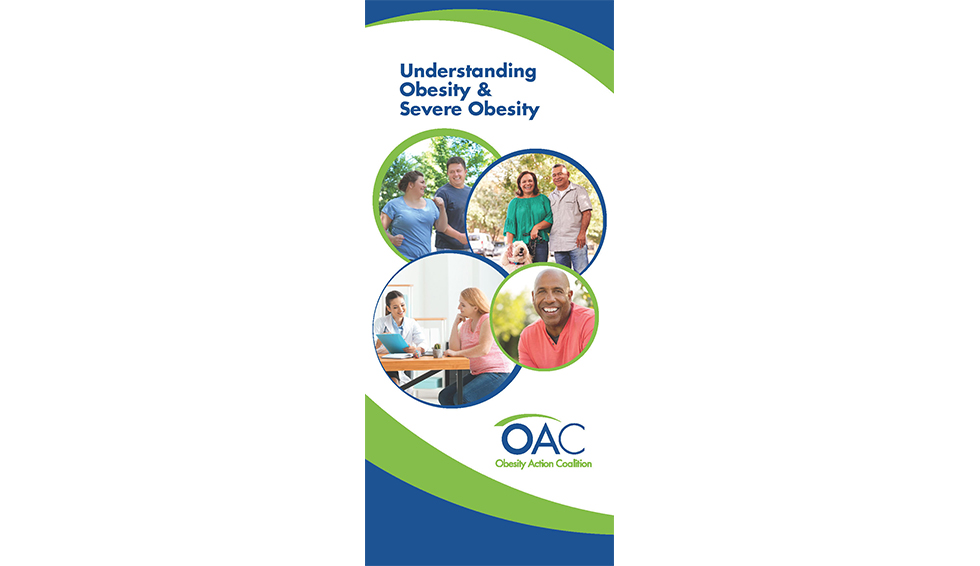
Understanding Obesity and Severe Obesity Brochure Obesity Action

Obesity Infographic Creative Daddy

Adolescents and Childhood Obesity Brochure Eat right. future bright.
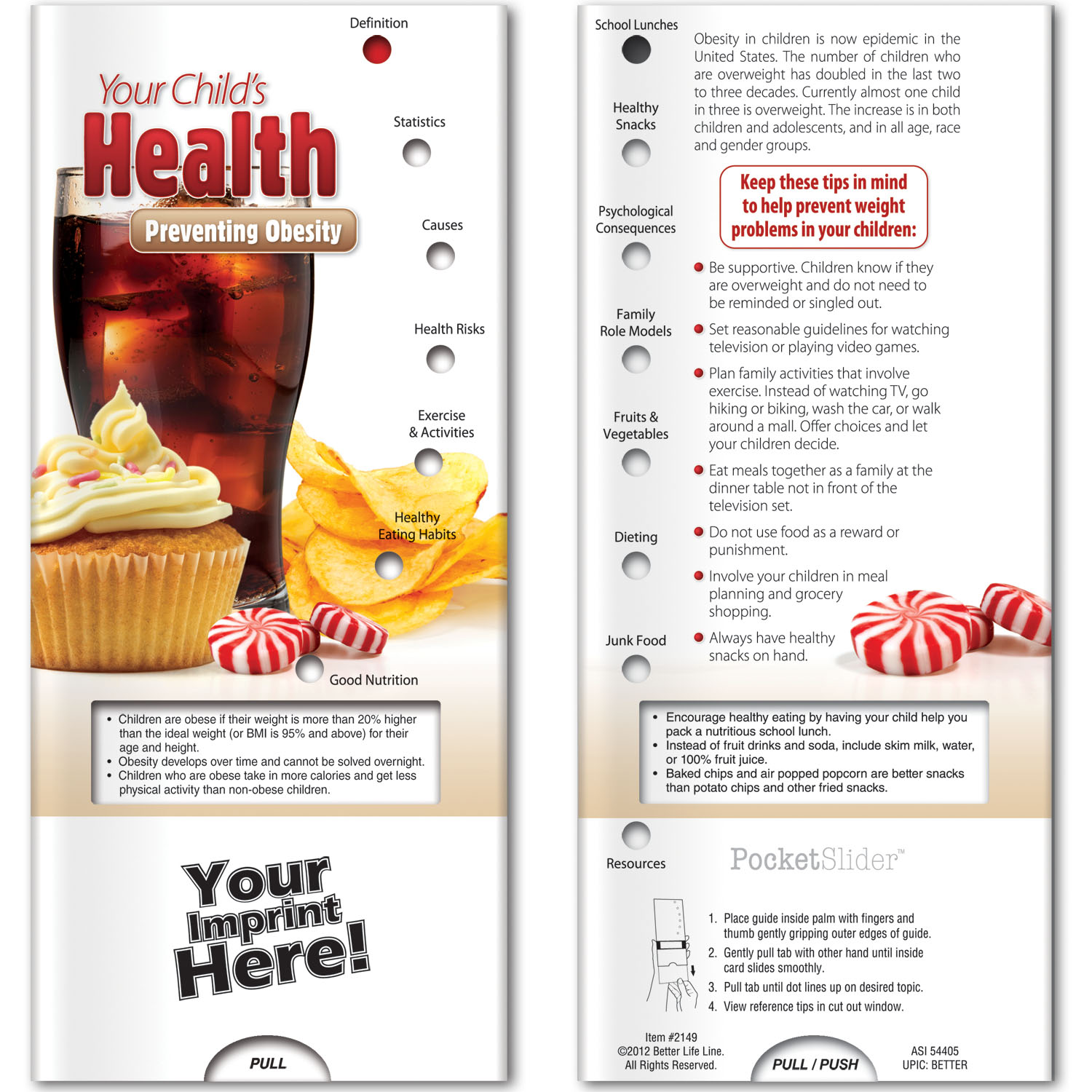
Preventing Child Obesity Brochure Slider Prevention Resources
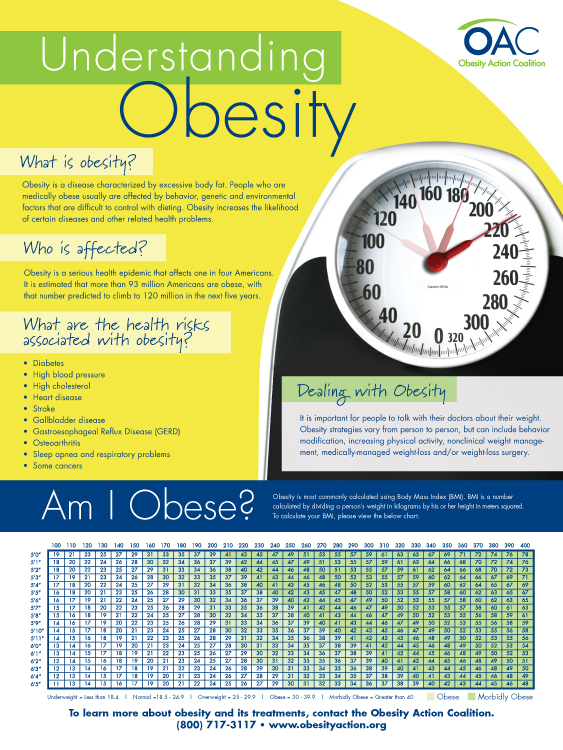
Obesity Action Coalition » Understanding Obesity Poster

Understanding Your Obesity Treatment Options Brochure Obesity Action
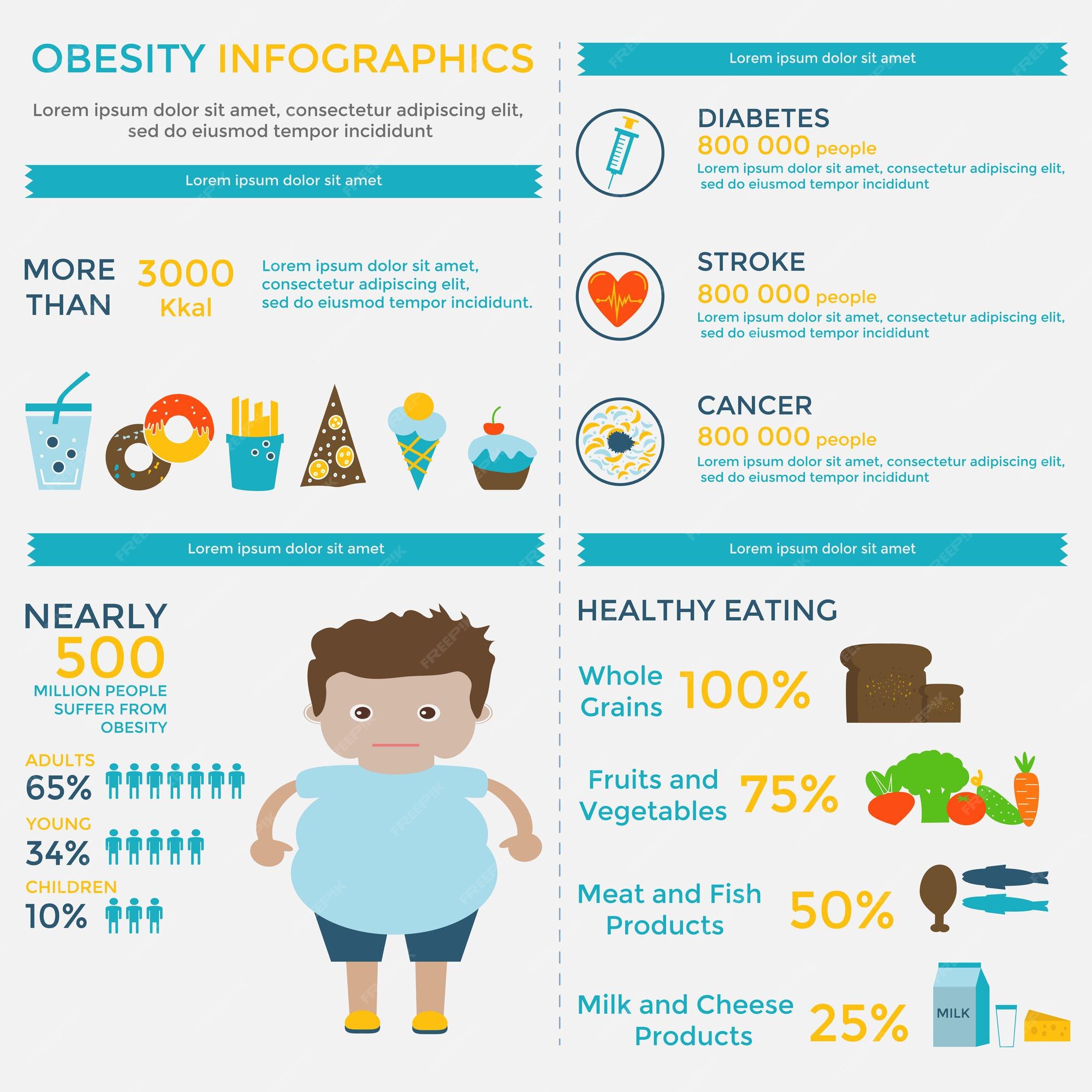
Premium Vector Obesity infographic template fast food, sedentary
The Obesity Action Coalition Offers A Wide Variety Of Brochures, Guides, And Fact Sheets On Obesity And Related Topics.
Explore Effective Strategies To Address Weight Issues And Achieve Healthy Living.
The Body Gets Its Energy From A Type Of Sugar Called Glucose.
For Nps By Npscheck Programssign Up For Updatescontinuing Education
Related Post: